Creating Motion, Capturing Action & Sound
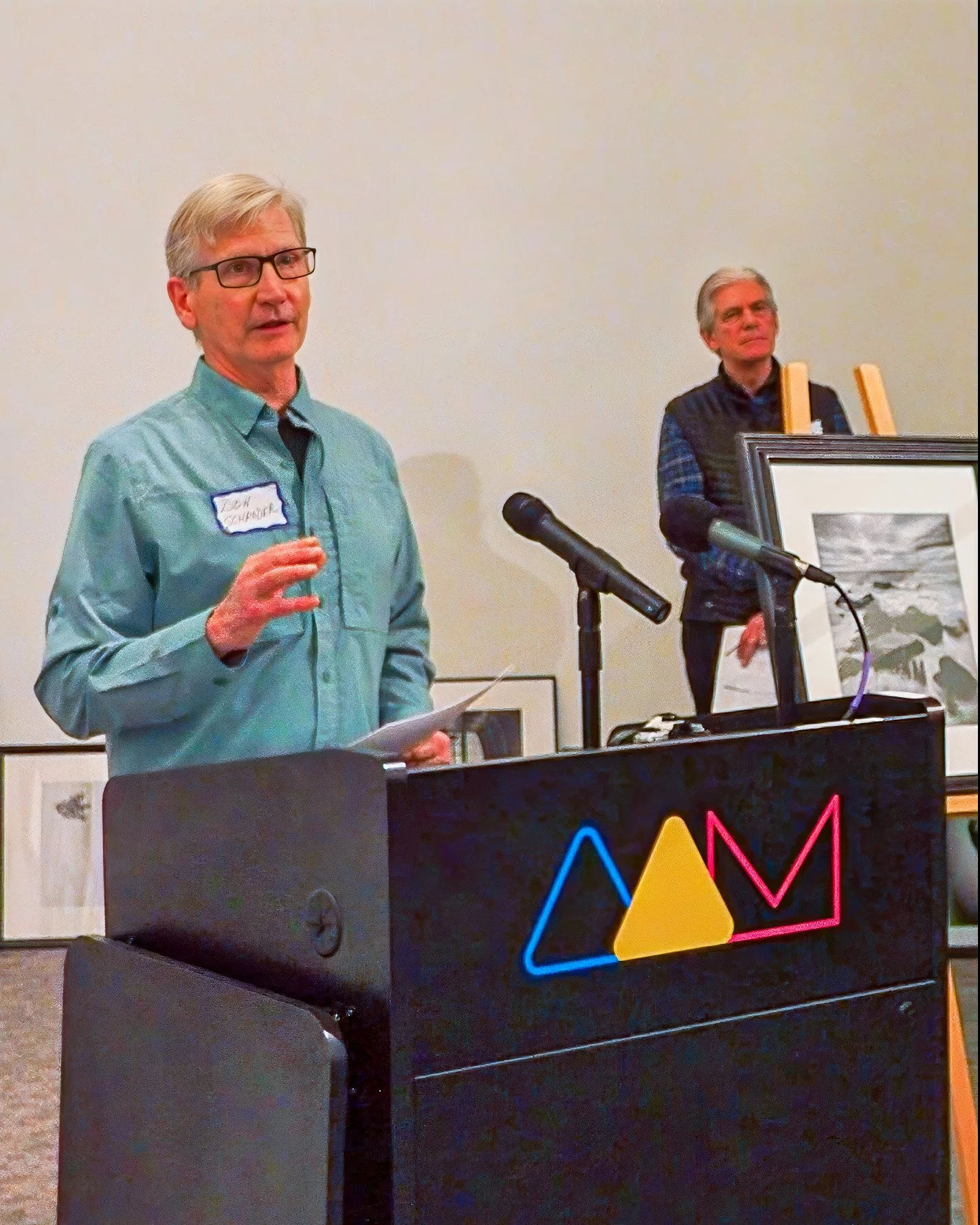
Still images communicate powerfully, but motion adds context and momentum—helping audiences understand how people work, how a space feels, and how an event unfolds. Video can be captured from the ground for a human perspective, or from the air using drone-based cameras when an aerial vantage point adds scale, layout, and place.
Sound is equally important. We record clean, professional audio for presentations, interviews, and voiceovers, and we can also capture natural ambient sound that gives a scene realism and presence. When appropriate, we offer high-quality AI-based narration—crafted and finished by RSB Photo Media—to deliver clear voiceover efficiently and consistently.
Through video and audio, we create communications that help your vision be seen, heard, and remembered.
Aerial Photography and Drone Videography
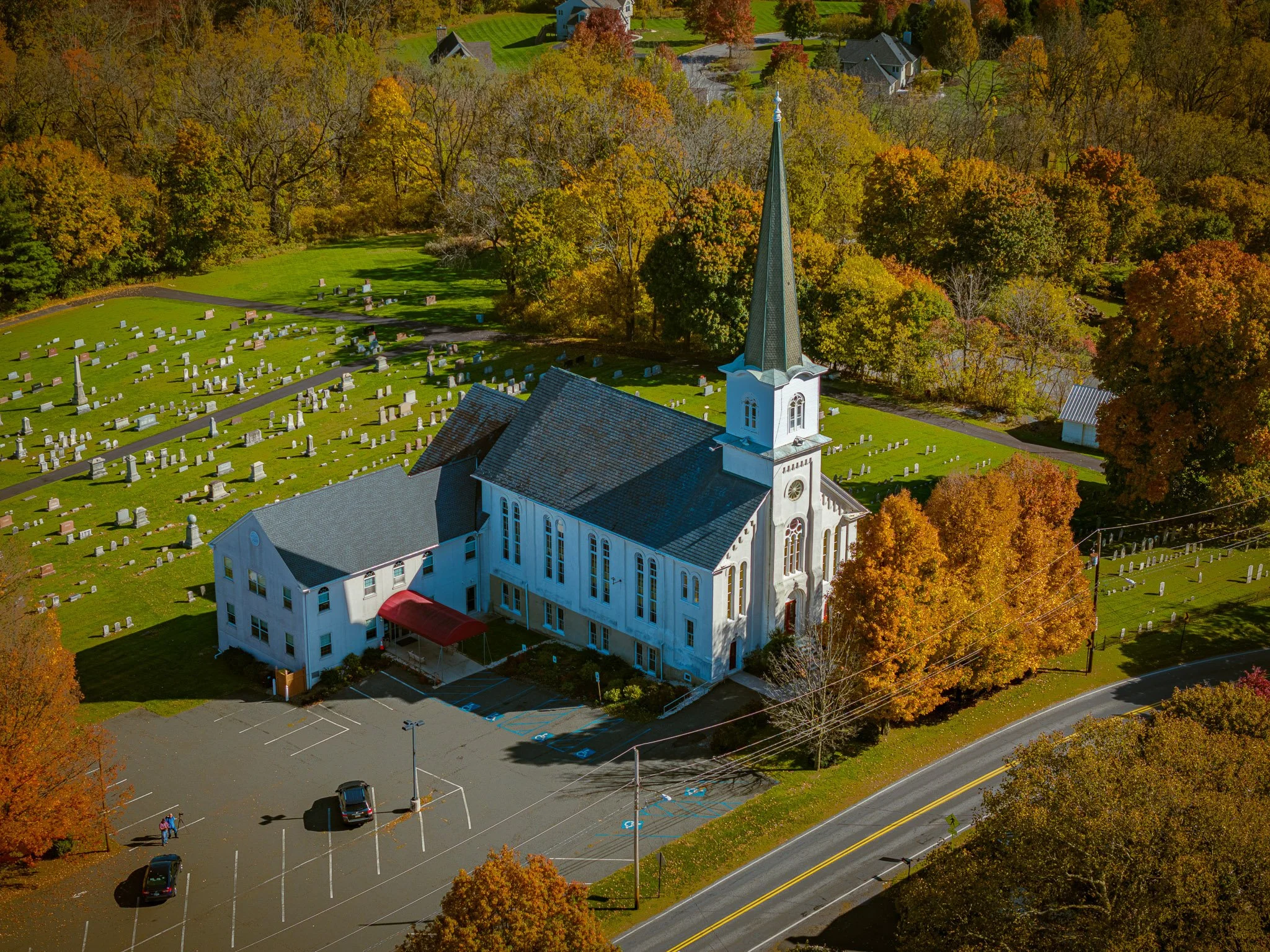
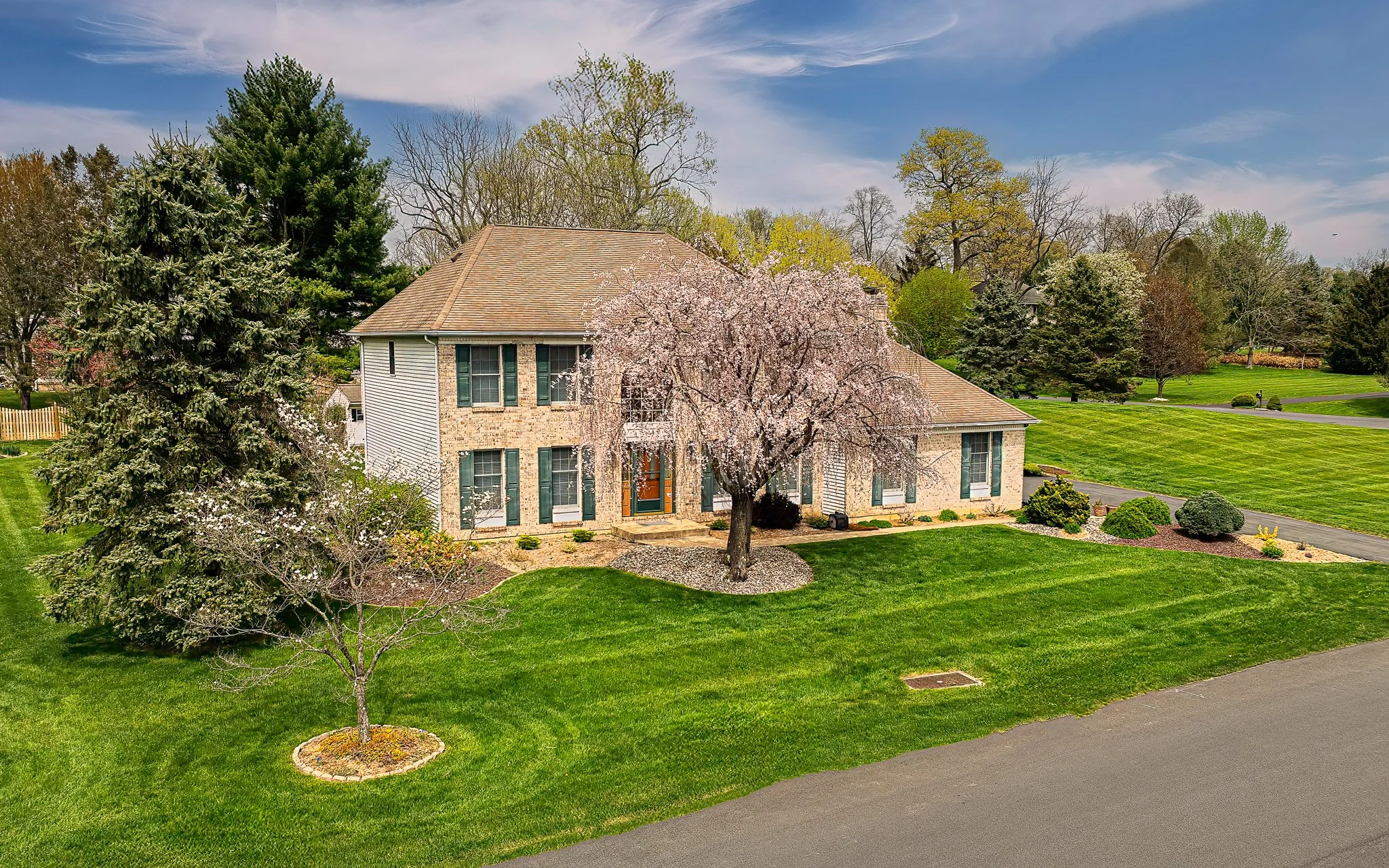
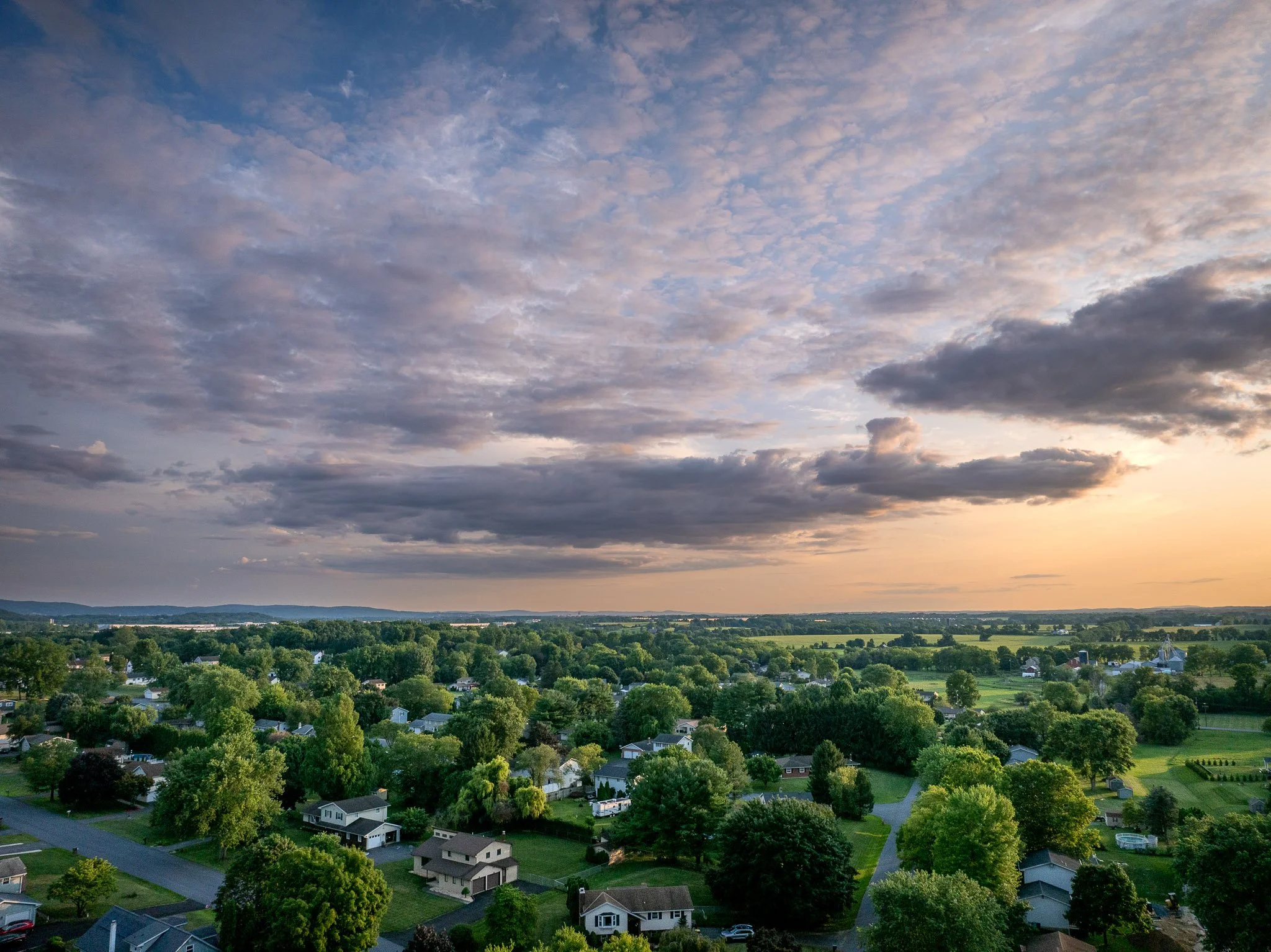
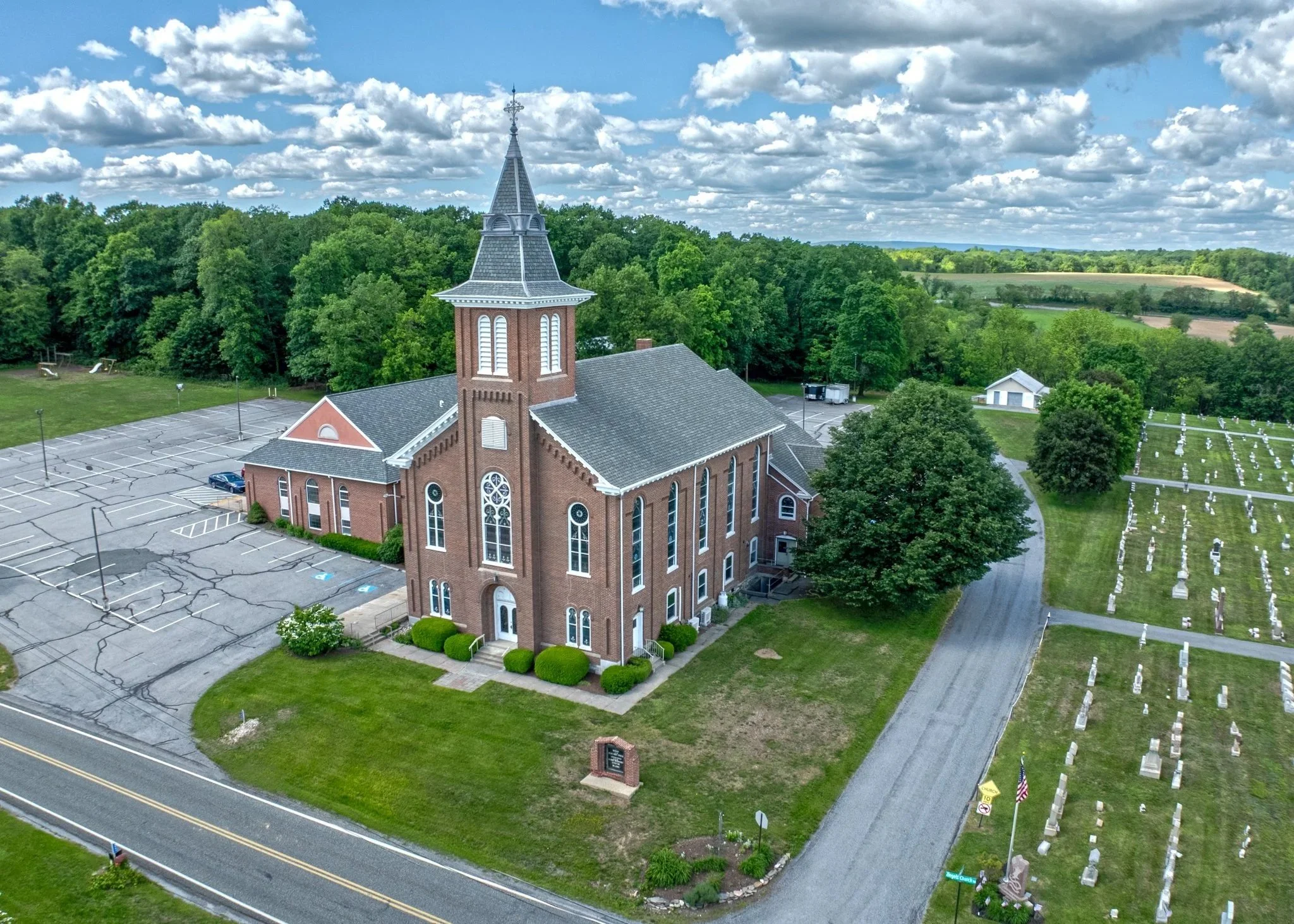
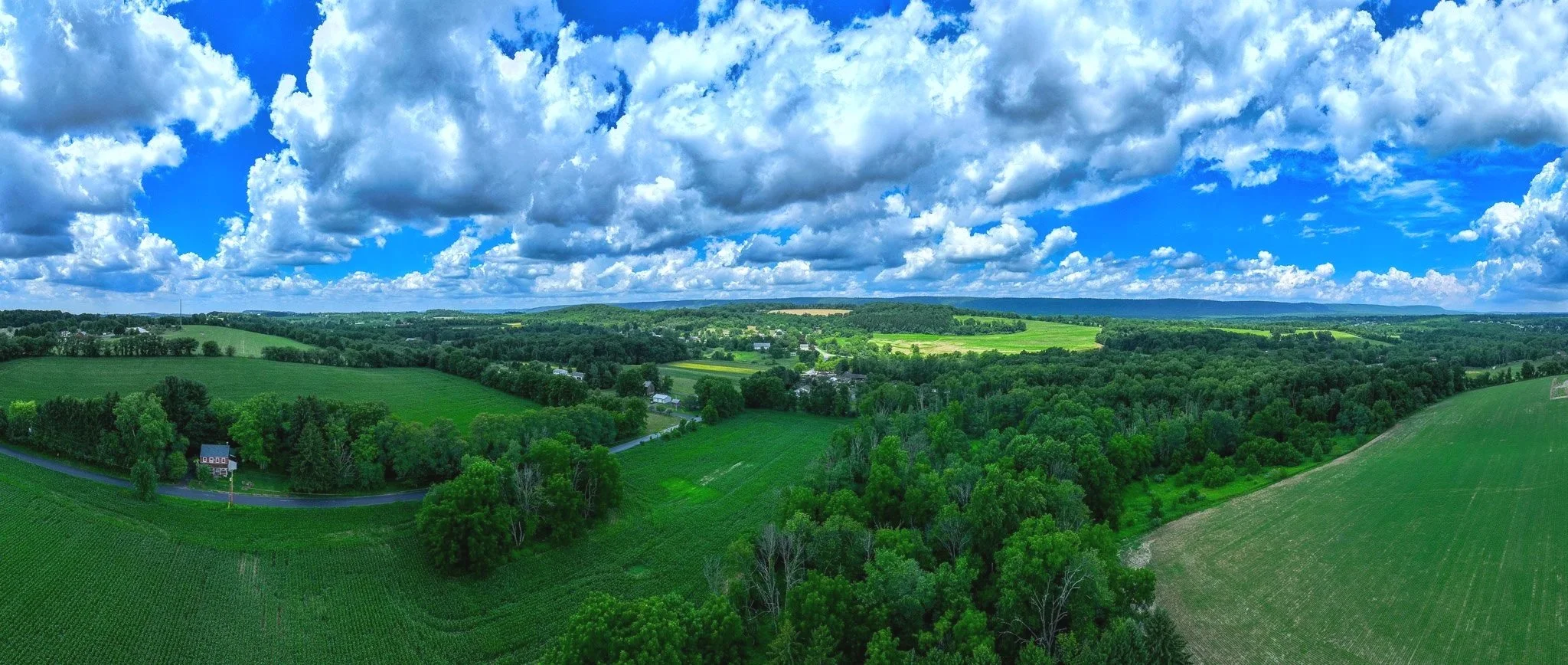
Aerial imagery adds context, scale, and credibility—showing where your organization operates and how it performs, or your real estate with its setting. We provide professional drone photography and videography on-location throughout the Lehigh Valley and surrounding area, producing clean, usable visuals for websites, proposals, annual reports, listings, social content, and internal documentation.
What we deliver
Aerial still photography: facilities, campuses, properties, sites, events, and landscapes
Aerial video: smooth establishing footage, flyovers, approach sequences, and location context for edits
Integrated coverage: aerial + ground-based photos/video to tell a complete story in one coordinated shoot
Audio-ready workflows (when needed): coordinated capture for interviews or on-site messaging that pairs with visuals
Aerial Photography
Best for “hero” visuals and documentation—website headers, brochures, proposals, annual reports, investor materials, and consistent progress sets.
Aerial Videography
Best for storytelling and engagement—walkthrough-style sequences, promotional clips, event highlights, and operational footage that shows motion, flow, and activity. Video is typically used on websites, social channels, presentations, and internal communications.
Why Aerial Works
Aerial stills and aerial video add perspective that ground-based capture cannot. Aerial imagery can be made outdoors or open indoor spaces. They are especially effective when you need to communicate:
-
Aerial imagery gives your audience immediate context—scale, layout, and location—in a way ground-level photos often cannot. It reveals how a facility fits into its surroundings, how an event truly looks at full participation, and how operations flow across a site.
Aerial video adds energy and momentum. Movement, approach angles, and overhead sequences draw attention and keep viewers engaged—making the content more effective for websites, social media, presentations, and stakeholder updates. The result is visibility: visuals that stand out, communicate faster, and are remembered longer.
-
Scale and layout are often the hardest things to communicate from the ground. Aerial imagery solves that by showing the full footprint of a property or facility in a single, understandable view—how buildings relate to each other, where entrances and access points are, how parking and traffic flow work, and how the site is organized overall.
For businesses and organizations, these views quickly communicate capability and professionalism. They help customers, partners, and stakeholders understand what you operate, how it is arranged, and why it matters, especially for campuses, manufacturing sites, construction projects, venues, and commercial properties.
-
“Operational capacity” is what your organization can handle in the real world—your ability to produce, serve, store, ship, host, or respond at scale. It’s conveyed through evidence: the footprint of your facility, the layout of work areas, equipment and infrastructure, staging and logistics flow, fleet or inventory areas, and the people and processes that keep operations moving.
Aerial photography and drone video help communicate operational capacity quickly by showing the full site context—how space is organized, how traffic and material flow works, and the scale of assets that may not be visible from the ground. For customers, partners, and stakeholders, these visuals reduce uncertainty and build confidence in your capability and professionalism.
-
ItProgress is easiest to understand when it is shown consistently. Aerial photography and drone videography allow you to document a project from the same vantage points at defined milestones—so change is clear, credible, and easy to compare.
This is especially valuable for construction, renovations, site installations, and property improvements. Consistent progress imagery supports stakeholder updates, investor and board reporting, client communications, marketing announcements, and internal documentation. It also creates an organized visual record of the project—from baseline conditions through completion—ready to use in presentations, web updates, and final “before-and-after” materials.em description
Indoor + Outdoor Drone Imagery
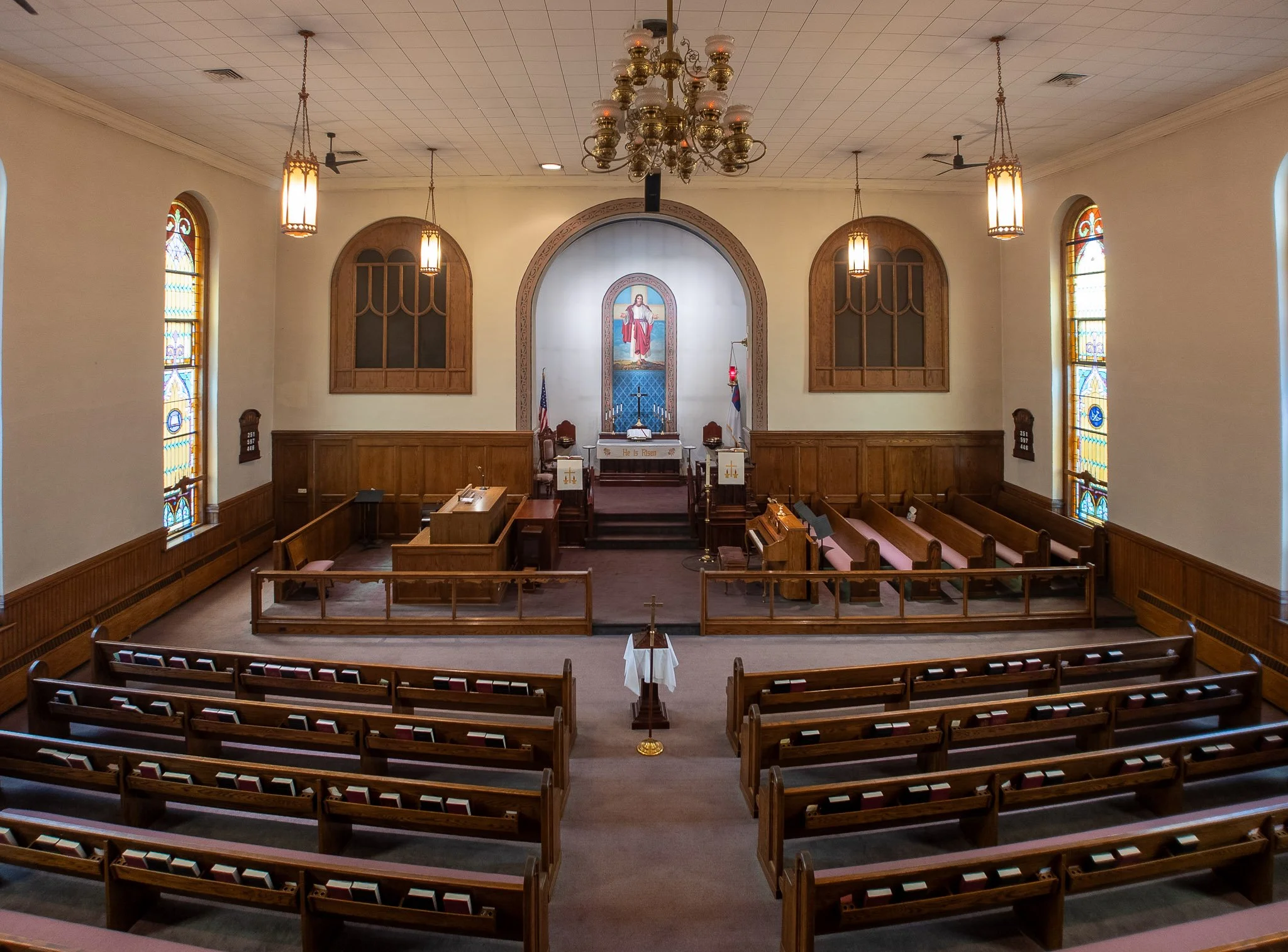
Drone imagery is not limited to outdoor flyovers. When conditions and site access allow, we can capture aerial and interior UAS footage that provides perspectives a ground-based camera simply cannot—revealing scale, layout, flow, and spatial relationships in a single view. Outdoors, drones deliver establishing context of your facility, property, campus, or event. Indoors, they can create smooth, continuous visuals through large spaces—such as lobbies, sanctuaries, gymnasiums, warehouses, and production areas—showing how an environment is organized and experienced.
The result is imagery that is both informative and cinematic: it helps audiences understand the space quickly, and it adds a level of visual credibility that supports marketing, recruitment, donor communications, listings, and internal documentation.
Safety, compliance, and day-of conditions
Drone photography and videography are performed by an FAA Part 107-certified remote pilot and are planned and executed in strict accordance with FAA regulations. Where a site requires additional approvals—such as controlled airspace access—we obtain the necessary airspace authorizations and, when appropriate, request temporary waivers prior to flight. Because Temporary Flight Restrictions (TFRs) and weather conditions can change with little notice, certain operations may require modification or rescheduling to maintain safety and compliance.