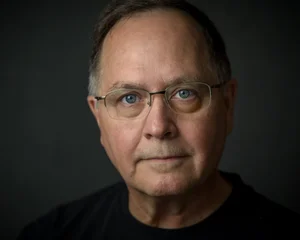
How to Prepare for Headshots and Portraits — Wardrobe, Expression, Background, and Strategy
Preparation improves outcomes—fast
The best headshots look effortless. In reality, they’re usually the result of planning: choosing the right clothing, controlling details, and matching the image to the intended use.
If you prepare well, you get:
more usable expressions,
fewer distractions in clothing/hair,
better posture and confidence,
and a final image that fits your goals.
Step 1: Define your purpose before you choose your look
Before wardrobe or location, answer these:
Where will these images be used (LinkedIn, website, speaking, marketing)?
Do you need neutral versatility or contextual storytelling?
Should the image read as more approachable or more authoritative?
Are you representing yourself, a firm, or a brand team?
This determines whether you want:
a formal studio aesthetic,
a soft/modern studio aesthetic,
or an environmental portrait (office, studio, workspace, outdoors near your workplace).
Step 2: Wardrobe that communicates clearly
Think in terms of “message consistency”:
Match your audience’s expectations.
If your work depends on trust and authority, dress slightly more formal than your day-to-day baseline.Choose simplicity over novelty.
Loud patterns, busy textures, and high-contrast micro-patterns can distract or create moiré on camera.Fit matters more than brand.
A clean fit reads confident and polished.Bring options.
Plan at least two looks:a “core professional” outfit
a “role-specific” outfit (more formal or more relaxed, depending on need)
(Optional insert from your document: specific “avoid” patterns/colors and recommended neckline/jacket guidance.)
Step 3: Expression is the difference between “nice photo” and “effective portrait”
Most people underestimate expression. Your face is communicating:
approachability,
confidence,
competence,
calm,
energy,
warmth.
A strong session isn’t about forcing a smile—it’s about producing expressions that match your role. For many professionals, the goal is: engaged eyes + relaxed mouth + confident posture.
A few practical tips:
Practice a natural smile that you can hold comfortably.
Avoid “over-smiling” if you need a more authoritative look—aim for warmth in the eyes instead.
Plan for multiple expressions: approachable, neutral-confident, and energetic.
Step 4: Background choices: studio vs. environmental
Studio / formal backdrop works when you need:
maximum versatility across platforms,
minimal distractions,
a timeless look.
Environmental portraits work when you want:
context and credibility (you in your space),
storytelling (you at work, in your craft),
differentiation (less “generic headshot”).
The key is control: environmental doesn’t mean cluttered. Background should support the subject, not compete with it.
Step 5: Grooming and small details that matter on camera
This isn’t about vanity—this is about removing distractions.
Checklist:
Hair: plan a trim/touch-up on a schedule that looks natural (not same-day drastic changes)
Skin: hydrate; avoid heavy new products right before the shoot
Glasses: clean lenses; consider anti-reflective coatings (or discuss strategies with your photographer)
Makeup (optional): light, natural, camera-friendly—reduce shine rather than “change your face”
Hands/nails (for environmental portraits): neat and clean
Step 6: Plan your deliverables like a professional asset
A headshot is a communication asset. Think ahead:
Do you need horizontal and vertical crops?
Do you need space for website headers or speaker banners?
Are these for print as well as digital?
Will your team need a consistent look across multiple people?
When planned, you leave the session with images that are usable everywhere you actually work.
Call to action
If you want portraits that don’t just look good—but communicate correctly—RSB Photo Media can plan the session around your roles, your audiences, and where the images will live, then execute with professional lighting, posing guidance, and clean finishing.