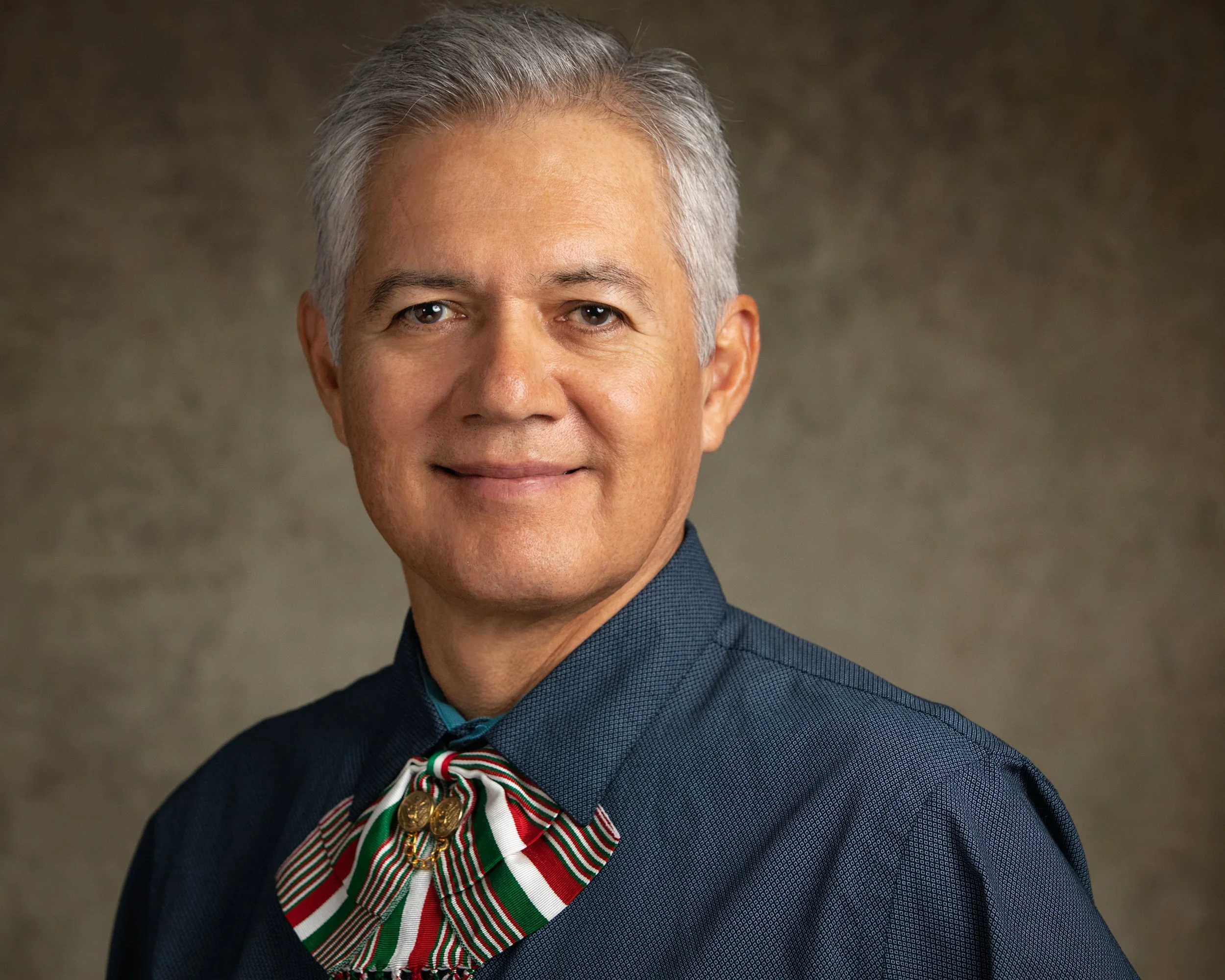
Studio Background or Environmental Portrait — How to Choose (and Why Many Professionals Need Both)
Start with the purpose: where will the images be used?

Formal Headshots Don’t Require a Studio — A “Mobile Studio” Can Come to You
Many professionals delay updating headshots because they assume it requires traveling to a studio and blocking out half a day. In reality, formal, studio-style headshots can be produced on-site—in your office, conference room, lobby, or another controlled space—using portable professional lighting and portable backdrops.

How to Prepare for Headshots and Portraits — Wardrobe, Expression, Background, and Strategy
The best headshots look effortless. In reality, they’re usually the result of planning: choosing the right clothing, controlling details, and matching the image to the intended use.
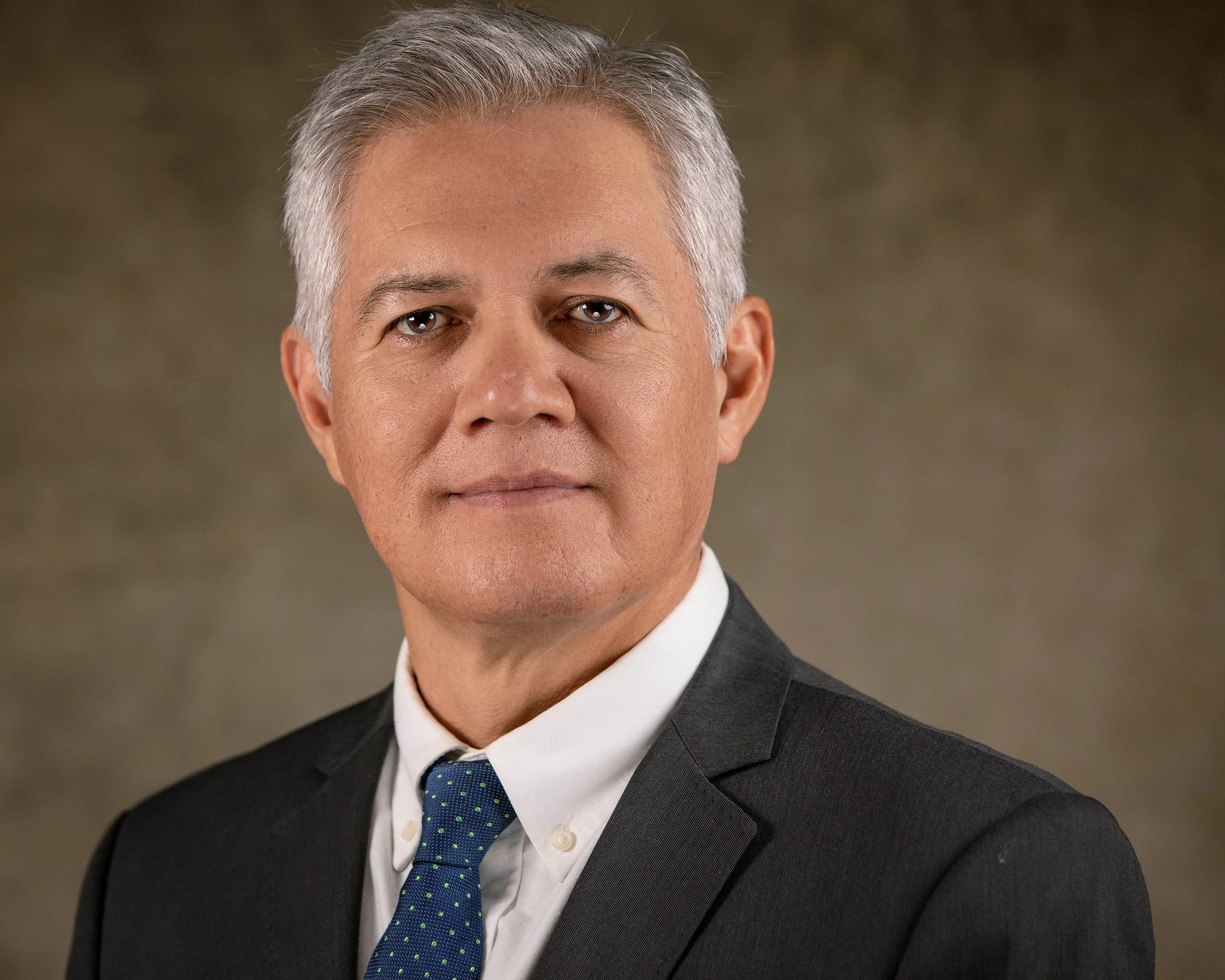
Your Headshot Is a Message — Build a Portfolio That Matches Your Roles
Professionals rarely interact with their audience only in person. We introduce ourselves through LinkedIn, company sites, proposals, speaker bios, email signatures, Zoom profiles, press releases, and marketing materials. In each place, your portrait is doing a job: it is a visual first impression that sets expectations before a single word is read.

Continuing Education and Creative Capability
Professional development doesn’t end with a credential. Visual standards evolve, technology changes, and client needs expand. If you want consistent professional results, you keep training.
That’s why learning continues through PPA, ASP, PPA of PA, and conferences—building both craft and business practice.
Credentials: CPP and the Master of Photography (M.Photog.)
In most fields, credentials matter when they reflect standards and accountability, not marketing. In professional photography, certain credentials require real demonstration of competence and commitment.
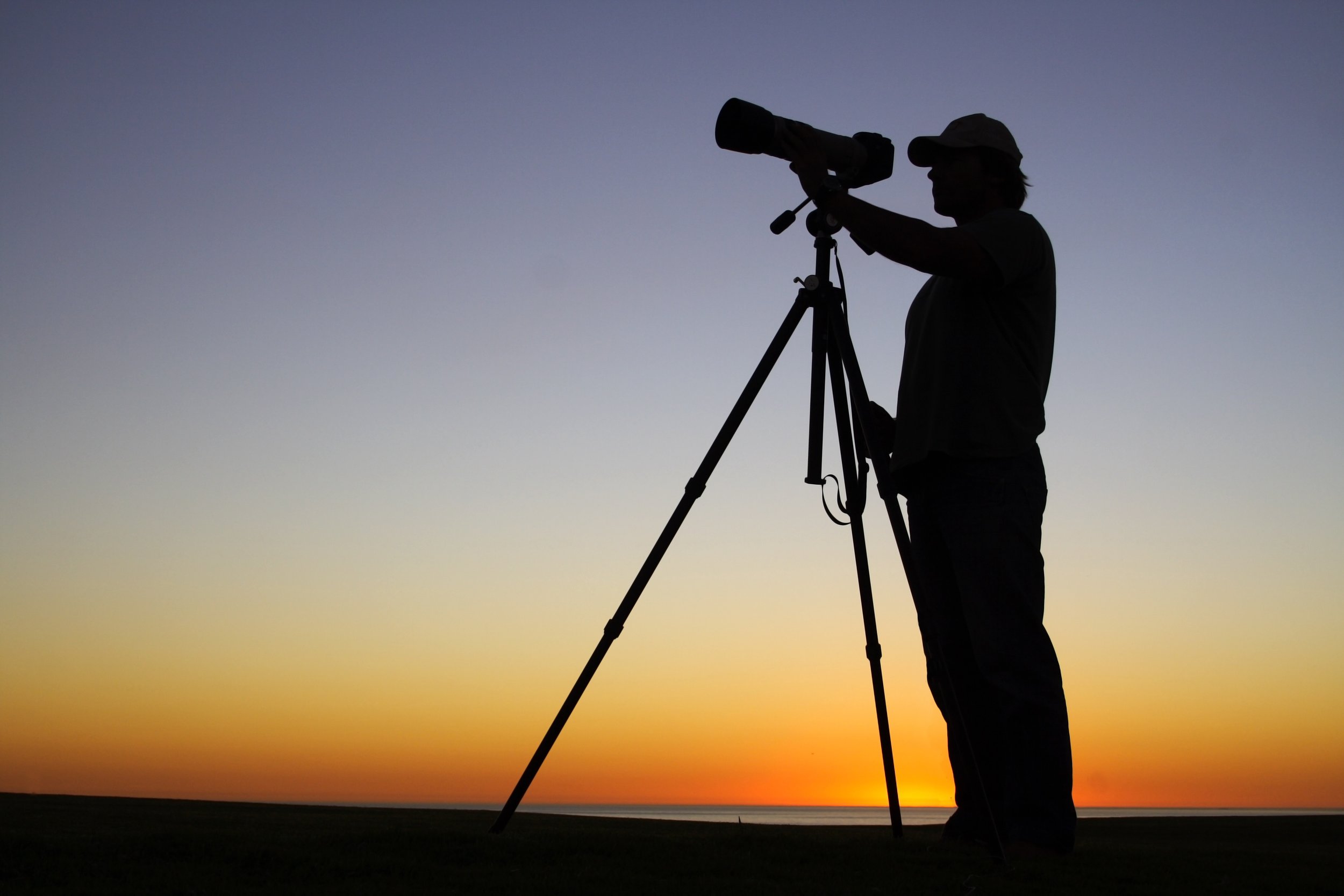
Training, Critique, and the Professional Skillset
Professional photography is a craft. Like any craft, it’s built through structured training, deliberate practice, critique, and continuing education.

Professional Photography Isn’t the Camera
It’s easy to assume great photography comes from having a great camera. Modern digital cameras are genuinely impressive—fast autofocus, wide dynamic range, excellent low-light performance. But professional photography is not simply a person holding a very capable digital camera.
Visual Communication That Fits: Aligning Images With Your Message, Roles, and Audience
A single image may look great and still underperform if it is mismatched to the audience, the platform, or the role you are trying to project. A nonprofit’s donor appeal, a physician’s profile, a founder’s investor deck, a university department’s recruitment page, a local restaurant’s menu and social posts, and a manufacturer’s capabilities brochure all require different visual cues, even when they feature the same person or the same location